Write down what is known about the source.
Identify when water entered, which entry point has been investigated and who is carrying out rectification. Distinguish an observed leak from a suspected cause. If source repairs are still in progress, say so.
For water near an external wall or slab junction, include a brief description of the assembly and where moisture has been observed. Share relevant site information with the authorised contractor rather than distributing full drawings or private project details publicly.
Ask which material layers need a decision.
Paint, plasterboard, insulation, wall framing and the substrate can raise different questions. The assessment should consider what is accessible, what remains concealed and what the water source or condition means for material retention.
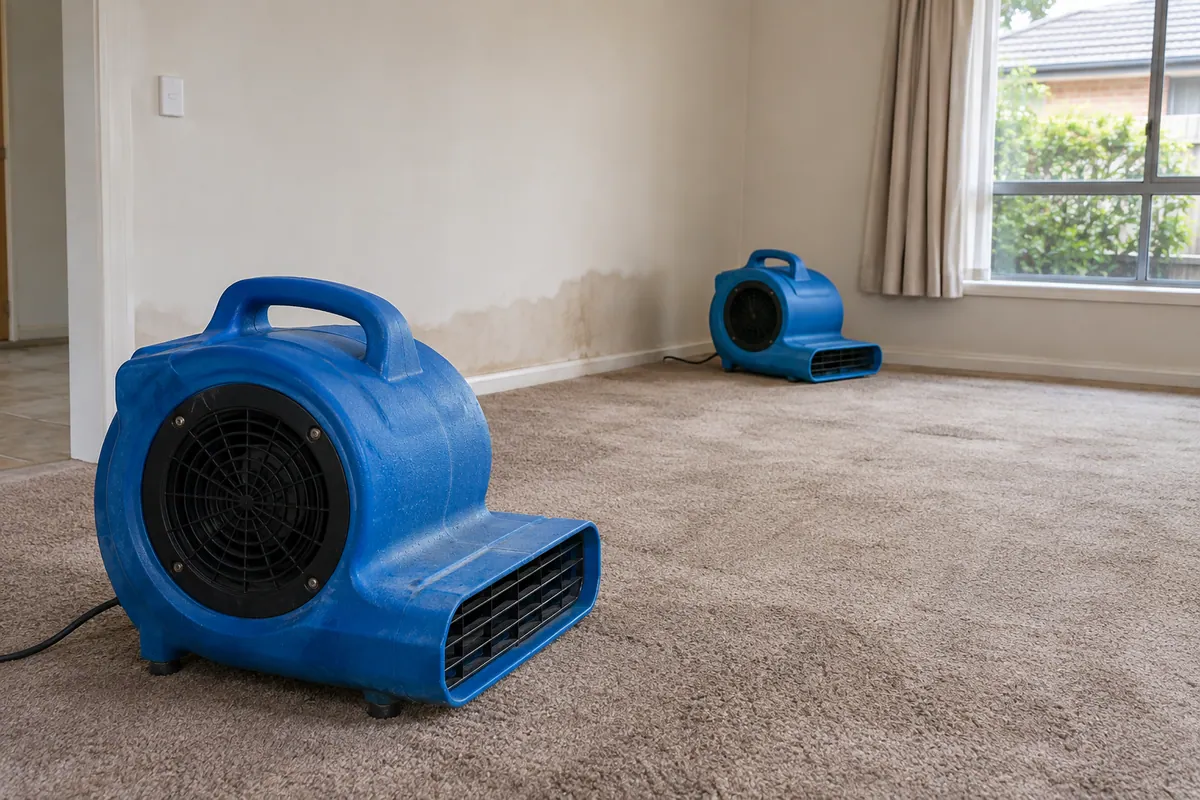
Requesting wall injection drying describes one possible method. It does not establish suitability. Ask whether targeted cavity drying, opening the assembly or removing affected material is appropriate, and which specialist capabilities are required.
Agree on progress checks before equipment goes in.
Ask what is being checked, where checks will be repeated and how observations will inform the next stage. Establish who receives the records and who is authorised to approve any change in scope.
A programme date can guide coordination, but it cannot determine material readiness. Ask what happens if the drying assessment conflicts with the planned close-up date. Keep source repair, drying and reinstatement responsibilities explicit.
Clarify what the record will and will not certify.
A restoration record can describe the agreed work and observations. It should not be mistaken for an engineering opinion, a waterproofing certification or an independent clearance unless that professional scope has been separately arranged.
For the first enquiry, provide the suburb, affected building elements, source status, project stage and a site contact. Confirm the proposed service, access requirements, availability and reporting scope directly.
For flood and electrical safety information
Follow emergency-service directions. For immediate danger, call 000. See NSW SES flood guidance and NSW Health household safety advice.